Canberra ACT 2601

Canberra ACT 2601
Mon - Sat 9:00 am to 6:00 pm
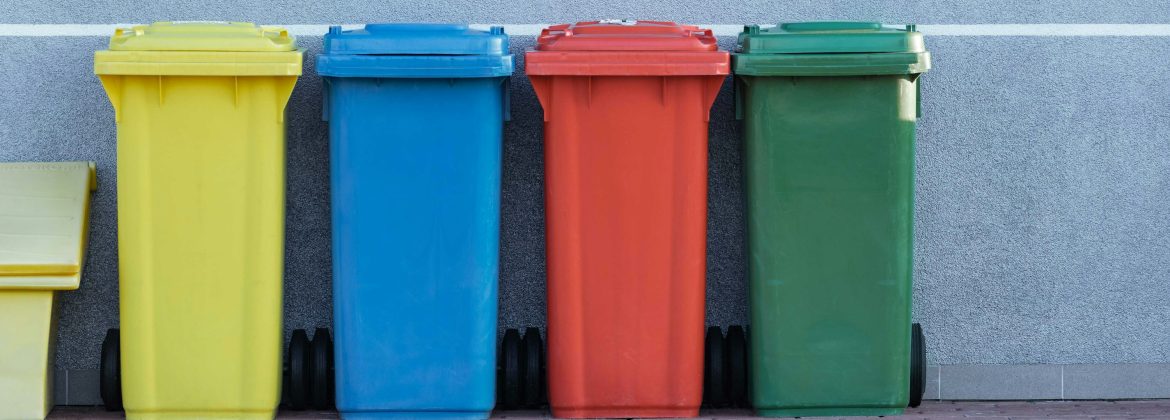
Managing household waste properly is one of the most practical ways to keep neighbourhoods clean, healthy, and attractive. When waste is not managed correctly, it doesn’t just look bad – it attracts pests, creates odours, and can harm the local environment.
At Local Recycling System, we focus on providing reliable, simple, and responsible residential waste services so that families can maintain clean homes without stress.
Good residential waste management is about more than just “taking out the garbage.” It affects:
Health and hygiene – Uncollected or overflowing waste can attract insects, rodents, and other pests.
Neighbourhood appearance – Clean streets and tidy bins improve the overall look and feel of a community.
Environmental impact – Mixed, unsorted waste often ends up in landfill even when parts of it could be recycled.
Local reputation – Clean, well-managed neighbourhoods are considered safer and more attractive places to live.
When households follow a consistent system – using the right bins, separating recyclables, and following pickup schedules – the whole community benefits.
Most households struggle with similar issues:
Not knowing which items go in which bin
Forgetting pickup days and missing collections
Bins getting overfilled or used incorrectly
Confusion around what is recyclable versus general waste
No clear instructions about bulk or special items
Local Recycling System helps solve these problems through clear guidance, structured services, and reliable collection.
We design our residential services to make things easy for families:
We provide consistent pickup schedules so residents know exactly when to put their bins out. This reduces overflow, odours, and last-minute rush.
We help households understand how to:
Separate paper, plastics, metal, and glass
Keep recyclables as clean as possible
Avoid contamination (like food scraps in recycling)
This ensures more waste is successfully recycled instead of going to landfill.
Different homes have different needs. Our residential bins are designed for:
General household waste
Recycling materials
Organic or food waste (where supported)
Having the right bins makes it simple to keep waste organised at home.
Here are some easy steps every household can follow:
Keep a simple sorting system in the kitchen
Use a small caddy or multiple mini-bins: one for general waste, one for recyclables.
Rinse and flatten recyclables
Lightly rinse cans, bottles, and containers and flatten boxes to save bin space.
Know your collection days
Save pickup days in your phone calendar so you don’t miss them.
Avoid putting hazardous items in normal bins
Batteries, paint, chemicals, and electronics often require special handling.
Do not overfill bins
Lids should close properly to avoid spills and pests.
When households take waste seriously, it creates a ripple effect:
Cleaner streets
Healthier living environments
Less waste going to landfill
More materials being recycled and reused
Local Recycling System is committed to supporting residents in this process through reliable residential waste and recycling services that are easy to understand and use.


Leave a Comment